


Perpay - Shop and Build Credit
4.83.52K Reviews
App Specs
- Version
- 3.8.3
- Updated On
- License
- Free
- Downloads
- 1,000,000+
- Developer
- Perpay Inc.
- Categories
- Finance
- Platform
- Android, iOS
Screenshots





 Analysis by AppCompare
I’d treat Perpay as a shopping-and-credit tool, not as a substitute for a full budgeting app or a general-purpose credit card. Its appeal is the link between buying through its marketplace and making payments that can support credit building. That can be useful when a planned purchase fits your budget and you want your regular payments to do more than settle a bill. It is less compelling if you are shopping only because installments make an item feel affordable.
Start with the purchase you actually need
Before opening the marketplace, I’d decide what I need, what I can comfortably pay, and whether I would still buy the item if there were no credit-building angle. That small check matters: Perpay is most useful when it helps structure a purchase you already planned, not when it gives you a reason to add extras. For someone replacing a necessary household item or looking for a specific piece of clothing, browsing can be practical. For someone trying to reduce spending, a shopping-first app may create more temptation than value.
That distinction also helps set expectations. Perpay is a finance app from Perpay Inc., but the experience is centered on purchases and payment installments rather than on managing every part of your financial life. I wouldn’t choose it as my main place to track a monthly budget, compare every retailer, or learn the basics of credit. I’d consider it when I have a defined purchase and want to understand how the payment arrangement fits into my plans.
The app is free and rated for Everyone, so getting started does not require paying for the download. It has an average rating of 4.8 from around 11,000 ratings, and more than a million installs. Those figures suggest many people have tried it, but they don’t tell me whether a particular product, payment schedule, or credit goal will suit my situation. I’d judge it by the terms and choices shown for my own account rather than treating popularity as a promise of results.
What Exactly is Perpay?
Alright, so let’s dive into what Perpay is all about. Imagine having a personal shopping platform that not only lets you buy what you need but also helps you build your credit score while you’re at it. Sounds intriguing, right? That’s exactly what Perpay aims to do.
The app works like a marketplace where you can shop for a variety of items—think electronics, home goods, and even apparel. But here’s the kicker: every purchase you make contributes to building your credit. It’s like hitting two birds with one stone.
How Does It Work?
So, you might be wondering, how does this magical process happen? It’s pretty straightforward. Once you download the app, you’ll need to create an account. The setup process is quite simple and doesn’t require a credit check, which is a massive relief for many.
Worth Reading Before You Choose

EA SPORTS FC Mobile 26 Is a Bigger Football Game, but It Takes Time

Flipboard Shows What News Apps Must Do Beyond the Feed

Switching to Android Auto Means Rethinking Your Driving Routine

Google Calendar Makes a Crowded Week Easier to Manage

Ludo King Makes the Most of the Minutes Between Plans

Baby Panda World Brings Quick Play to Modern Phones, but Its Game Library Feels Busy
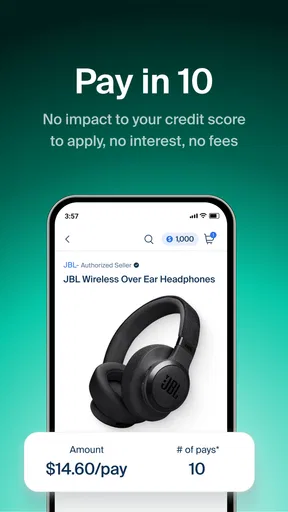
After you’re all signed up, you can start shopping right away. The app offers a unique payment plan where you can pay in installments. Each of these payments is reported to the credit bureaus, helping you build that all-important credit score.
In everyday use, I’d approach that flow in stages rather than treating checkout as the first real decision. I’d browse for the exact item, compare the available options, then pause at the payment details to check the installment amount and timing against my expected paydays. The useful question is not simply whether a payment looks small; it’s whether it still fits in a month with groceries, rent, transport, and other bills. If it doesn’t, I’d leave the item in the cart and revisit it after reviewing my budget.
A realistic example would be replacing a worn-out appliance or buying a work-related item after payday. I’d first confirm that the product is the right one and that the total commitment feels manageable, then plan the payments around expenses that are already fixed. That makes the credit-building benefit a secondary outcome of a purchase I can afford, rather than the reason I take on a new payment obligation. I would also keep a reminder in my usual calendar or budgeting routine, so I’m not relying on memory alone.
One detail worth thinking through is the handoff from the app’s shopping flow to your actual finances. The app can present a payment plan, but you still need to make sure the money is available when each payment is due. I’d check that the schedule won’t collide with bills that leave my account around the same time, and I’d avoid planning around an uncertain bonus or overtime shift. A payment plan only feels convenient when the timing is realistic, not merely when the first installment looks easy.
Shopping Experience
Now, let’s talk about the shopping experience. The interface is clean and easy to navigate, which is a big plus in my book. You can browse through different categories, and they’ve got everything from tech gadgets to fashion trends. It’s like having a mini mall in your pocket.
What I particularly loved was the variety of brands available. Whether you’re looking for something budget-friendly or want to splurge a little, there’s something for everyone. Plus, with the installment plan, it’s much easier on the wallet.
Still, I wouldn’t assume that an installment option automatically makes a product the best deal. If the same item is available from a retailer I already trust, I’d compare the final cost, delivery expectations, return process, and payment choices before deciding. A marketplace can be convenient because shopping and payment planning sit together, but a dedicated retailer may offer a better match, a wider selection, or a purchase process I know well. Convenience is valuable, but it is not the same thing as savings.
The range also changes how I’d browse. If I’m looking for one specific model or size, I’d search with that need in mind instead of wandering through categories and letting unrelated products shape the decision. If I don’t see a suitable choice, I’d compare elsewhere rather than settling for a near-match just to use the app. That approach is especially useful for time-sensitive purchases: a limited marketplace selection can be a real drawback when you need a particular item quickly.
Building Credit Made Easy
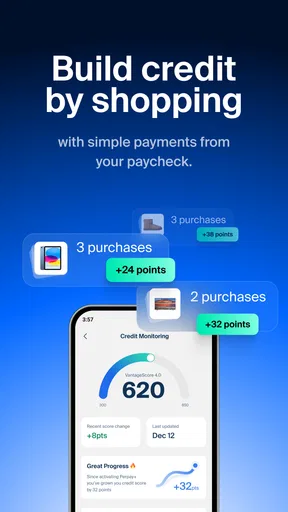
Alright, here’s where Perpay really shines. The app is designed to help users who might not have access to traditional credit-building resources. By making timely payments on your purchases, you’re essentially boosting your credit score without much hassle.
And the best part? You don’t have to worry about interest rates eating into your savings. The payment plans are interest-free, making it a more affordable option compared to credit cards.
For me, the important trade-off is that credit-building depends on keeping the payment routine healthy. Someone who has trouble predicting income or who already juggles several due dates may find another approach easier to control. A secured credit card, for example, may be a better fit for a person who wants a payment method they can use more broadly and who can reliably pay the balance on time. A credit-builder product focused on saving may suit someone who would rather avoid shopping as part of the process. Those alternatives have their own terms and demands, so I’d compare the specific arrangements instead of assuming one route is best for everyone.
I’d also separate “making payments” from “seeing a particular score change.” Building credit is not an instant result, and an app cannot make a missed or unaffordable payment harmless. Perpay may make the link between a purchase and reported payments easier to understand, but I’d still use responsible habits elsewhere: pay bills on time, avoid committing money twice, and check my credit information through a source I trust. The app is a tool within a broader routine, not a shortcut around one.
That makes it most appealing to someone who has a steady way to plan around paychecks, wants to make a necessary purchase, and is comfortable following a set payment schedule. It may be a poor fit for someone who prefers to shop only in person, needs an unusually broad choice of sellers, or is trying to avoid new obligations altogether. If your priority is simply building a credit history and you don’t need to buy anything, I’d look at options designed around that goal rather than browsing a marketplace first.
Things to Keep in Mind
Of course, no app is without its quirks. While Perpay offers a fantastic way to build credit, it’s important to stay on top of your payment schedule. Missing payments can negatively impact your credit score, which is the opposite of what we’re trying to achieve here.
Also, the selection, while diverse, might not always have everything you’re looking for. But hey, it’s always worth checking back as they regularly update their inventory.
The practical friction is that a purchase creates an ongoing task: checking due dates, keeping enough money available, and remembering that the plan lasts beyond the moment of checkout. I’d write down the schedule somewhere I already review, rather than creating a separate system I’m likely to abandon. If a payment date conflicts with a regular bill, I’d consider that before confirming the order. This simple habit is more useful than relying on the excitement of the purchase to keep the plan in mind.
Another point I’d check before committing is the full purchase and payment information presented for that specific order. Look carefully at what you are buying, the installment schedule, and any account or order details shown in the app. The word “interest-free” is appealing, but it shouldn’t replace reading the actual terms of the plan or checking whether the schedule works for your circumstances. If anything about the commitment is unclear, I’d pause and get clarity before going ahead rather than guessing.
Perpay’s current version is 3.7.1, and it was released on October 19, 2018; it requires iOS 11 or later. That gives iPhone users a quick compatibility check before downloading. I’d also keep the app updated, since using the current version is a sensible way to avoid problems caused by outdated software. The core decision, though, remains personal: whether a marketplace purchase and its payment schedule make sense for your budget.
Final Thoughts
So, what’s the verdict on Perpay - Shop and Build Credit? If you’re someone who’s looking to build credit without the stress of high-interest rates and wants to enjoy some retail therapy, this app is definitely worth a try. The dual benefit of shopping and credit building is a game-changer.
Give it a whirl, and you might just find it’s the app you didn’t know you needed. Happy shopping and credit building!
My recommendation comes with one condition: start with a specific need and a payment plan you can comfortably maintain. I’d use the marketplace when its selection matches that need, then compare the offer with familiar alternatives before placing an order. If the item is optional, the timing is awkward, or the payments would leave little room for essentials, I’d skip the purchase and return to the app another time. That restraint is part of using a credit-building shopping service well.
For the right person, the appeal is practical rather than magical: a planned purchase can be handled through one app while payments support a longer-term credit goal. For someone who wants broad financial tracking, the lowest possible price across many stores, or a way to build credit without shopping, another option will likely be more suitable. I’d keep that distinction in mind, and I’d let affordability—not the promise of credit progress—make the final call.
Pros
- Easy credit-building with purchases.
- No credit check required to join.
- Flexible payment plans available.
- User-friendly interface for shopping.
- Wide range of products offered.
Cons
- Limited to certain retailers.
- High interest rates on some plans.
- Slow shipping for some items.
- App glitches occasionally reported.
- Requires income verification to join.
FAQs for Perpay - Shop and Build Credit
What is Perpay and how does it work?
Perpay is a financial app designed to help users shop for products while building their credit. Users can browse a wide range of items, make purchases, and pay off their balance over time. Each on-time payment is reported to the credit bureaus, which can help improve your credit score. It's a simple way to manage purchases and credit growth simultaneously.
How does Perpay help improve my credit score?
Perpay reports your payment activity to major credit bureaus. When you make on-time payments for your purchases, it positively impacts your credit history. This reporting process helps build a stronger credit profile, potentially increasing your credit score over time as you demonstrate responsible financial behavior.
Is there a credit check required to use Perpay?
No, Perpay does not require a credit check to start using the service. This makes it accessible for individuals with no credit history or those looking to rebuild their credit. The platform focuses on your income and employment status to determine eligibility, allowing for a more inclusive approach to credit building.
What are the payment terms and conditions on Perpay?
Perpay allows users to pay for their purchases through small, manageable installments. Payments are typically set up to coincide with your pay schedule, making it easier to manage. The terms are flexible, but it's important to review the specific conditions for each purchase to ensure that it fits your financial situation.
Are there any fees associated with using Perpay?
Perpay aims to be transparent about any fees, which are generally included in the pricing of the products. There are no hidden fees, but users should review the total cost of items and the installment plan to understand the complete financial commitment. Always check the terms before confirming a purchase to avoid surprises.


